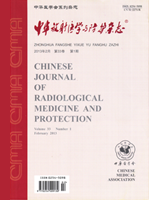
测试环境采编刊群
2018年 · 第38卷第05期
测试环境采编刊群
cutaneous squamous cell carcinoma (CSCC, referred to as cutaneous squamous cell carcinoma for short) is the second most common cancer in the world, with high malignancy and strong metastatic ability. The 5-year survival time is only 22% ~56%, and there are more than 1 million new cases every year. Excessive ultraviolet radiation exposure is the primary environmental factor that induces skin squamous cell carcinoma. It is urgent to understand the molecular mechanism of ultraviolet-induced skin squamous cell carcinoma in depth and develop effective new therapies for skin squamous cell carcinoma. Hypoxia-inducible factor HIF-1 α is sensitive to ultraviolet radiation, and its expression level is closely correlated with the proliferation and glycolytic metabolism of skin squamous cell carcinoma cells, and is positively correlated with the grade of skin squamous cell carcinoma. However, previous studies have not revealed its regulatory mechanism.
本期目次