
中华神经外科杂志
2026年 · 第42卷第03期
中华神经外科杂志
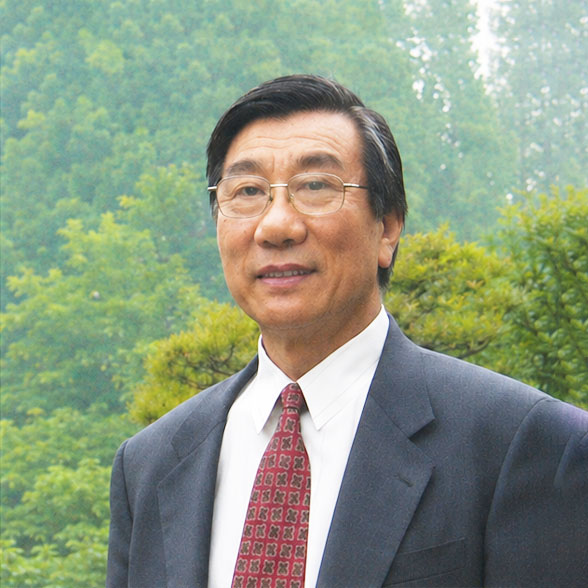
December 2025 is the centenary of the birthday of Academician Wang Zhongcheng, the pioneer and founder of neurosurgery in China and the winner of the State Preeminent Science and Technology Award. As one of the inheritors of neurosurgery founded by Academician Wang, it is a great honor and a heavy responsibility for me to discuss and share the understanding and practice of "loyalty spirit" here. "A century of loyalty, passing on the fire, carrying forward the spirit of loyalty and creating new brilliance" is the unswerving pursuit and commitment of generations of Chinese neurosurgeons.
Ependymal tumors are neuroepithelial tumors that may originate from ependymal cells of the ventricular system, the central canal of the spinal cord, or ectopic residual cells in the cortex[1]。 According to the anatomical site of occurrence, ependymal tumors can be divided into three categories: supratentorial, posterior fossa and spinal cord ependymal tumors[1]。 According to the fifth edition of the World Health Organization (WHO) Central Nervous System (CNS) Tumor Classification, spinal ependymal tumors include 4 integrated pathology subtypes: spinal ependymoma; Spinal ependymoma, MYCN-amplified; Mucopapillary ependymoma; Subependymoma[2,3]。 According to 2024 data from the Central Brain Tumor Registry of the United States (CBTRUS), the age-standardized annual incidence of ependymal tumors is 0.41 per 100,000, with a slightly higher incidence of 0.47 per 100,000 for men and 0.35 per 100,000 for women. This type of tumor can occur in all age groups, but the distribution characteristics are different: in the 0-19 year old group, it accounts for 18.3% of primary spinal cord tumors; Among those aged ≥20 years, the proportion was 15.5%[4]。 Spinal ependymoma is the most common type of adult intramedullary tumor, accounting for about 60%[5,6,7]。
本期目次

