中华放射学杂志
2024年 · 第58卷第06期
中华放射学杂志
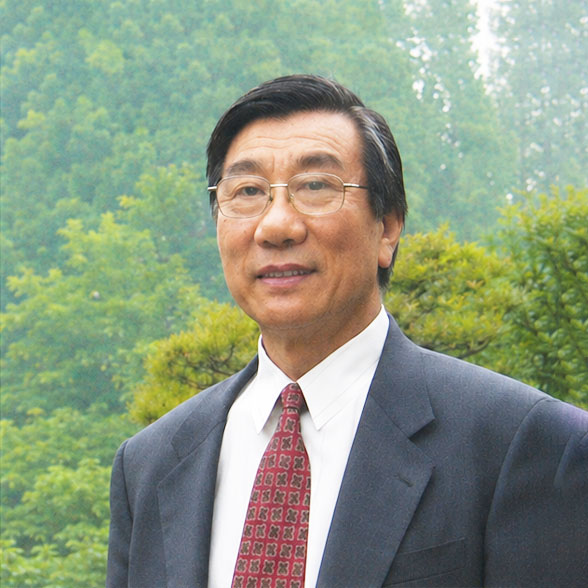
Expert Introduction: Cholangiocarcinoma is a primary malignant tumor that occurs in the epithelium of intrahepatic and extrahepatic bile ducts. It is highly aggressive and heterogeneous, of which extrahepatic cholangiocarcinoma accounts for about 75%. In recent years, the incidence and mortality of cholangiocarcinoma have gradually increased, and its high incidence areas are mainly located in Southeast Asia; The incidence of cholangiocarcinoma in China is more than 6/100,000, which is one of the highest incidence rates in the world. Cholangiocarcinoma has an extremely poor prognosis and has one of the highest mortality rates after AIDS and stroke in high-incidence areas. In recent years, Professor Shu Jian's team from the Department of Radiology, Affiliated Hospital of Southwest Medical University has carried out a series of studies around MRI of extrahepatic cholangiocarcinoma. Deep neural network was used to automatically identify and segment the lesions of biliopancreatic ampulla and extrahepatic cholangiocarcinoma on MRI images. The conventional imaging features, quantitative parameters and artificial intelligence of MRI were used to evaluate the biological behavior of extrahepatic cholangiocarcinoma and survival analysis, which provided imaging means and basis for assisting the diagnosis and treatment of extrahepatic cholangiocarcinoma. Professor Song Bin of West China Hospital of Sichuan University pointed out that in 2018, the National Natural Science Foundation of China determined the funding orientation of the new era, that is, "encouraging exploration and highlighting originality; focusing on the frontier and finding a new way; demand traction, breaking through bottlenecks; common orientation and cross-integration". Imaging medicine is one of the most rapidly developing subjects in recent years. Imaging research is full of opportunities, but also faces challenges. Through the funding of the National Natural Science Foundation of China, Professor Shu Jian's team conducted a series of studies on cholangiocarcinoma, a disease with relatively high incidence and poor prognosis, through clinical and imaging contents, and explored and broke through bottlenecks on important research directions such as how to effectively evaluate before treatment, improve prognosis, improve quality of life and survival time. The research made met the requirements put forward by the National Natural Science Foundation of China, especially established a good medical team with interdisciplinary characteristics, and the scientific research output was fruitful. The above main research results show that Professor Shu Jian's team applies new imaging technology to automatic detection, preoperative evaluation and clinical prognosis prediction of extrahepatic cholangiocarcinoma, providing a fast, non-invasive, convenient and personalized prediction method for clinical decision-making of extrahepatic cholangiocarcinoma. It is expected that the team will have more and better research on the difficult disease of extrahepatic cholangiocarcinoma in the future, and finally realize the survival benefits of patients with extrahepatic cholangiocarcinoma.
本期目次